

Solution

Batteries & Energy
Terahertz technology is revolutionizing energy storage and battery inspection by providing non-destructive, high-precision insights into material integrity. In lithium-ion batteries, it can image electrode coatings, detect internal defects, measure porosity, and analyze electrolyte distribution with exceptional clarity. This allows for real-time quality control during manufacturing and detailed assessment of battery health and degradation over time.
For next-generation energy systems, including solid-state batteries and advanced fuel cells, terahertz waves offer a powerful tool for probing material properties, interfacial layers, and structural uniformity at the micro-scale. By enabling safer, more efficient, and longer-lasting energy storage solutions, terahertz technology is positioned as a key enabler for the future of clean and reliable power
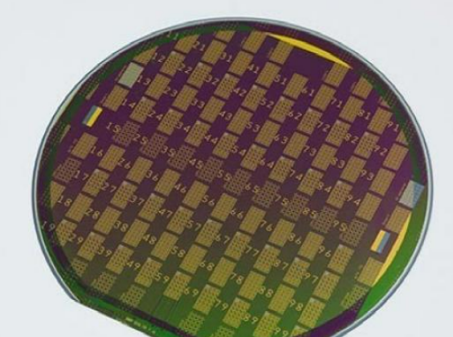
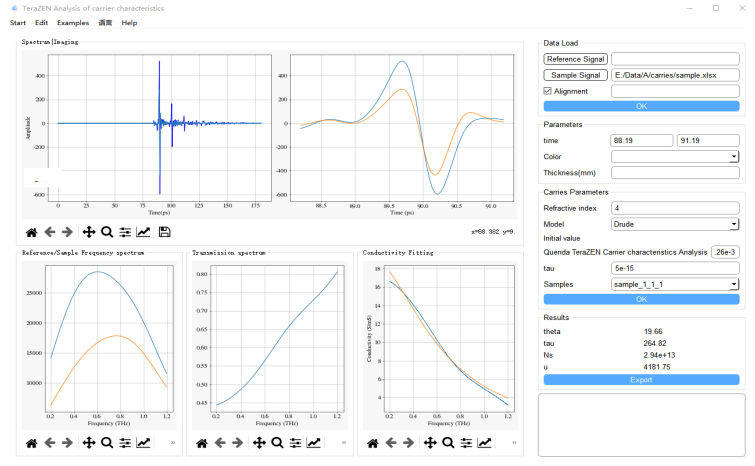
CASE 1:Terahertz wafer-scale mobility mapping of graphene
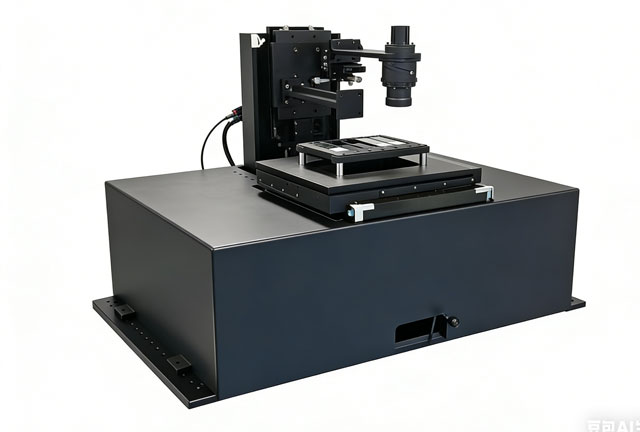
Terahertz wafer-scale mobility mapping is a non-contact, non-destructive characterization technique that enables high-throughput measurement of charge carrier mobility across entire graphene wafers. This innovative approach utilizes terahertz time-domain spectroscopy (THz-TDS) to probe the electrical properties of graphene with micron-scale spatial resolution. By analyzing the transmission or reflection of terahertz pulses through the graphene sample, researchers can extract key transport parameters including carrier mobility, conductivity, and doping concentration simultaneously across large areas. Compared to conventional electrical measurements that require fabricated contacts, this optical method offers significant advantages for quality control during graphene production, allowing rapid identification of defects, inhomogeneities, and performance variations across industrial-scale samples. The technique has become particularly valuable for graphene device manufacturing, where maintaining consistent electronic properties across wafer-scale substrates is critical for commercial applications.
Related Solutions


Related News
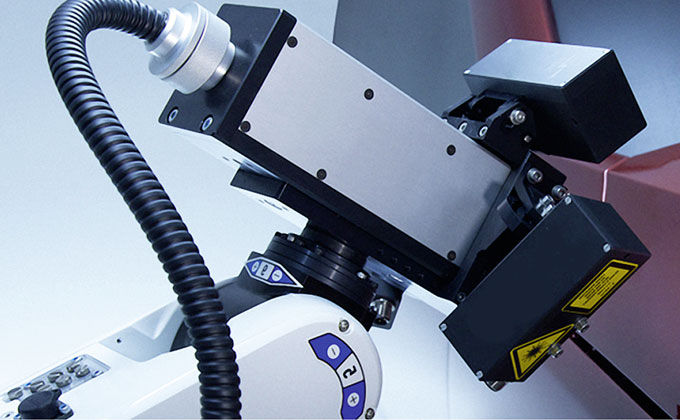
12th International Workshop on Terahertz Technology and Applications
Fraunhofer Institute for Industrial Mathematics ITWM, Kaiserslautern, Germany
Continue Reading

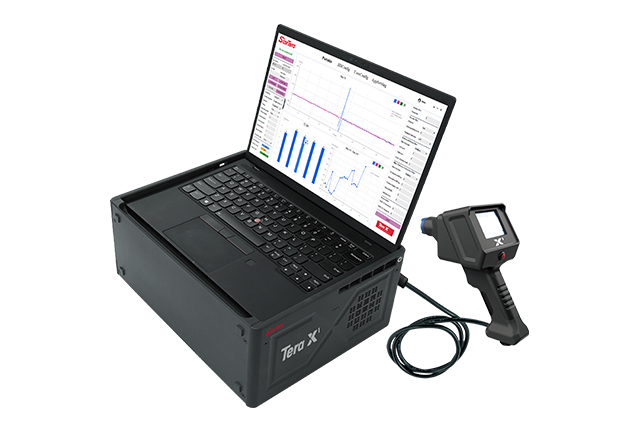
AI-Powered Terahertz Inspection Platform Exclusively for Aerospace MRO---TERA X1
Built specifically for aerospace aircraft maintenance scenarios, it leverages terahertz non-destructive testing principles to accurately measure coating thickness and detect hidden defects in multi-layer structures at an early stage, safeguarding aircraft safety.
Continue Reading